

Textilana Urban District
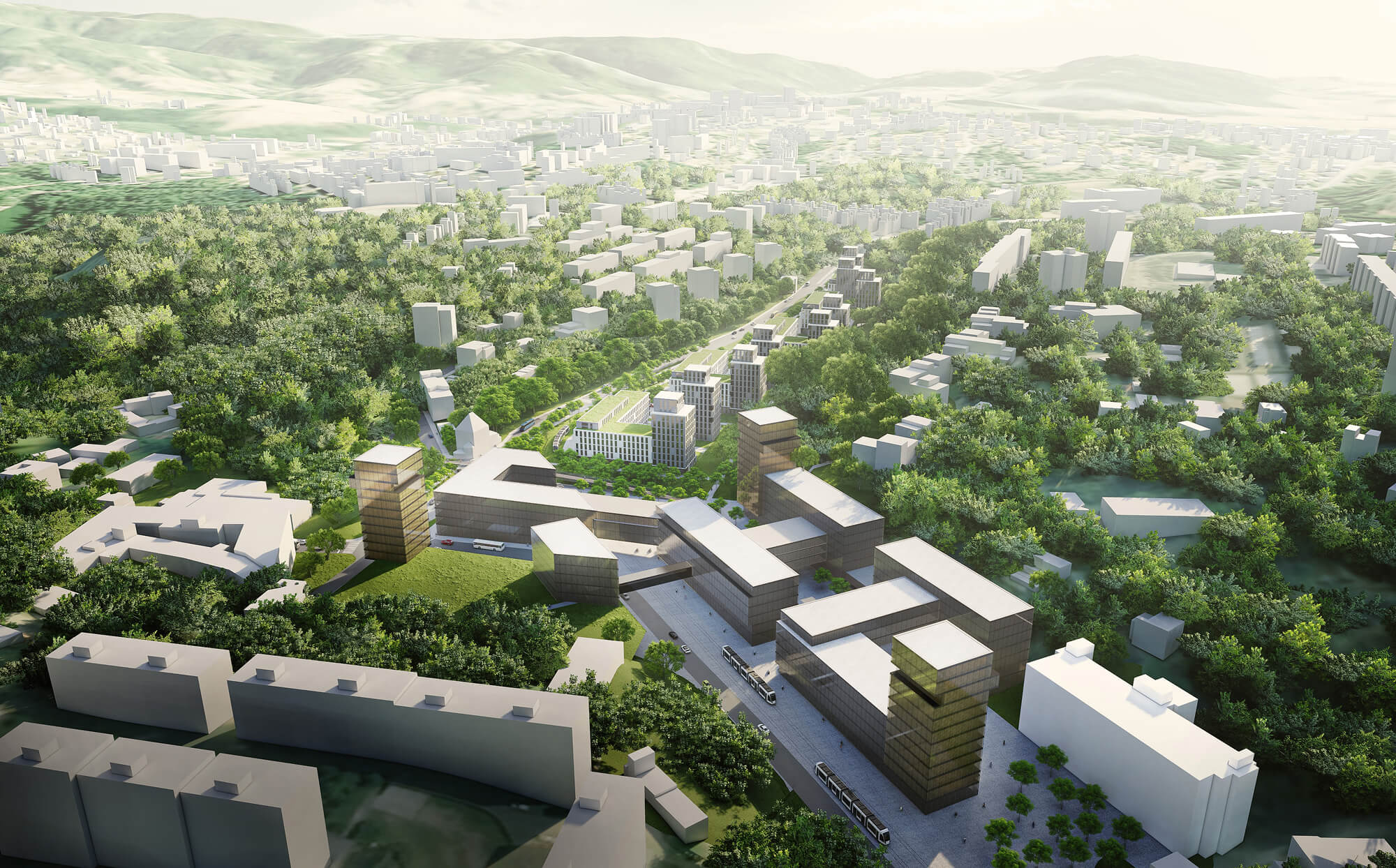
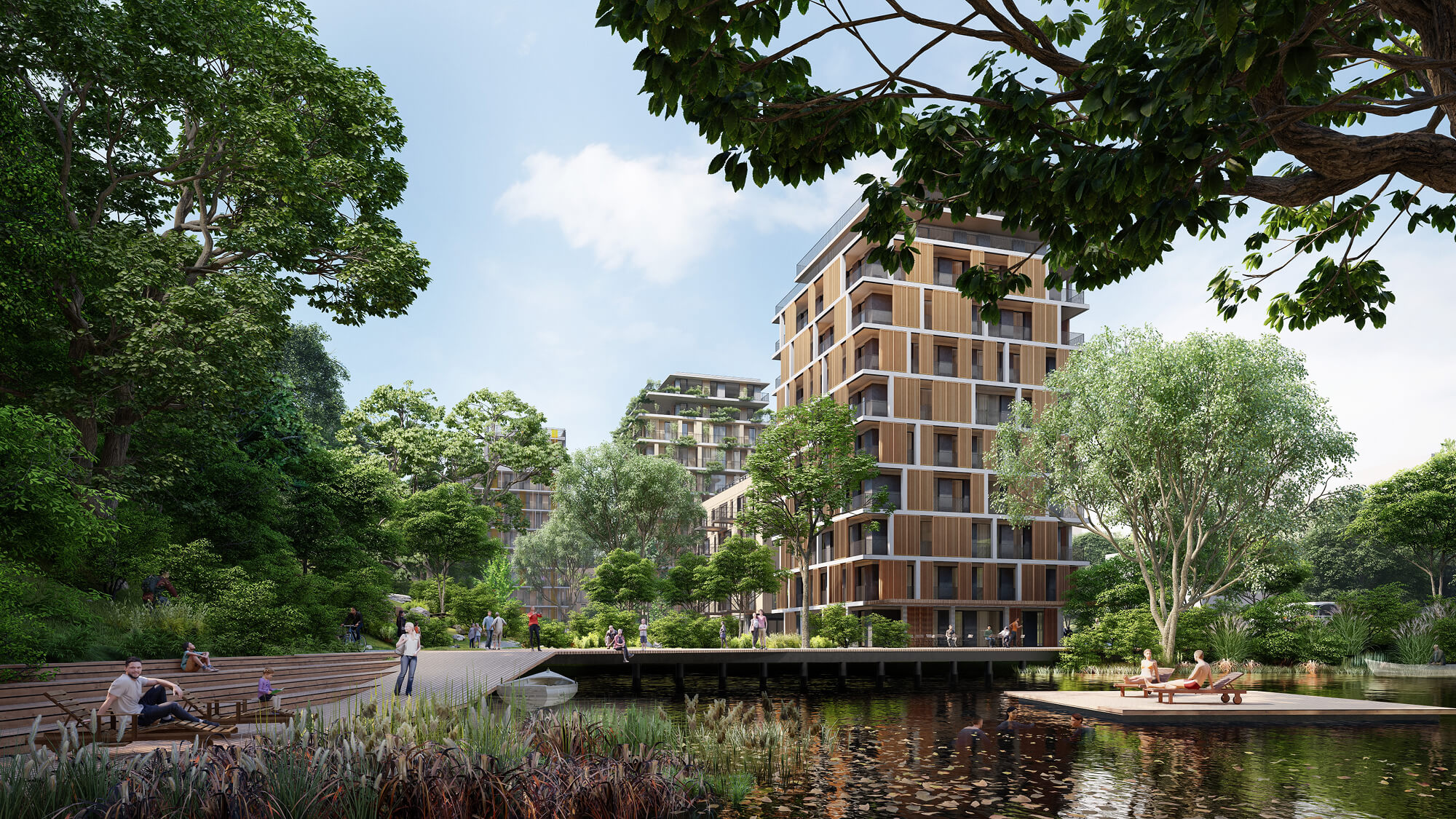
A former industrial site in Liberec is being transformed into a new urban quarter. Where textile manufacturing once shaped the rhythm of life and labor, a new city district is emerging that reflects the needs of today’s living. The core of the development is a linear park that connects the site to the surrounding neighborhoods and introduces a strong natural element into the dense urban structure.

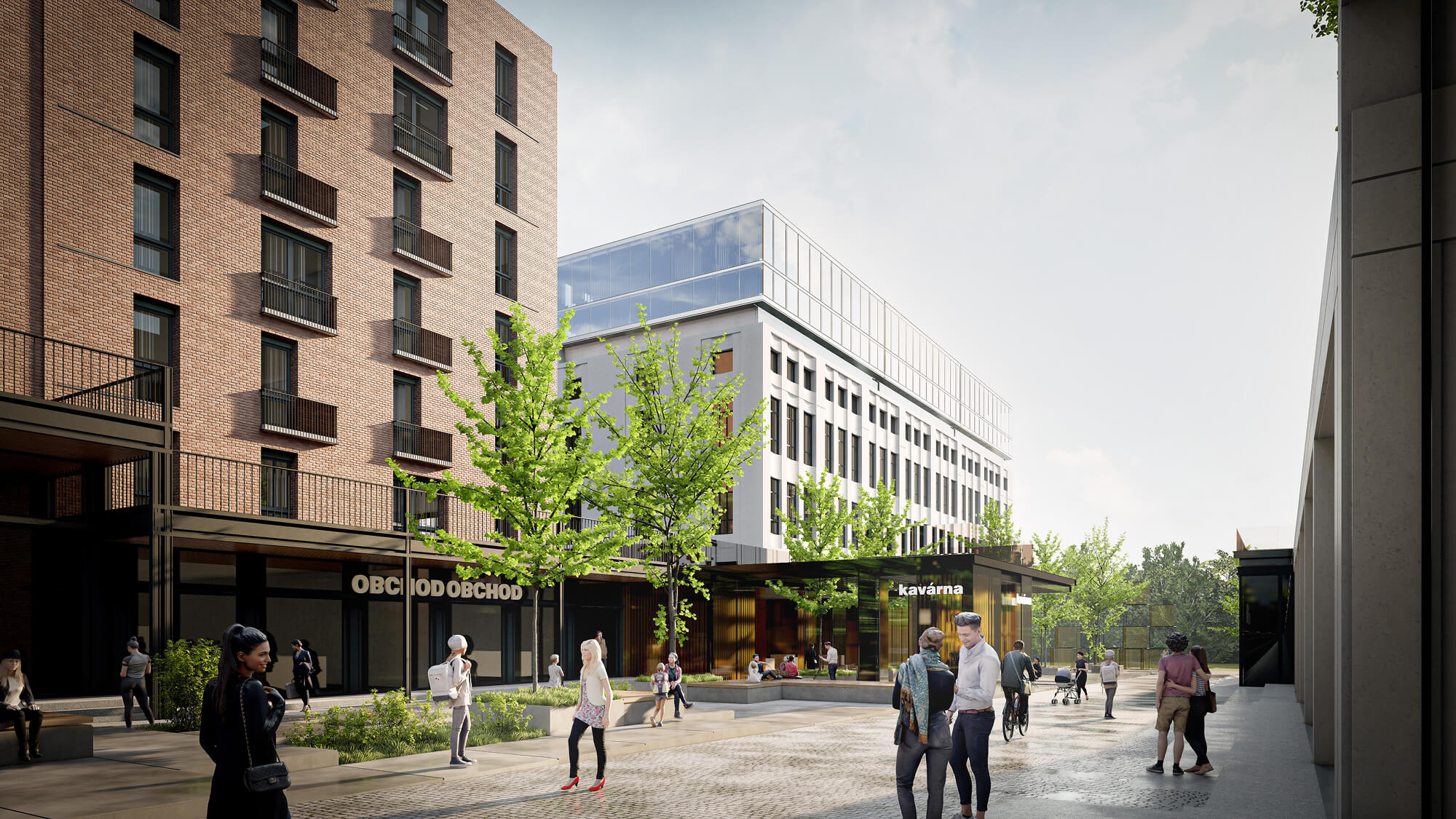
A former industrial site in Liberec is being transformed into a new urban quarter. Where textile manufacturing once shaped the rhythm of life and labor, a new city district is emerging that reflects the needs of today’s living. The core of the development is a linear park that connects the site to the surrounding neighborhoods and introduces a strong natural element into the dense urban structure.
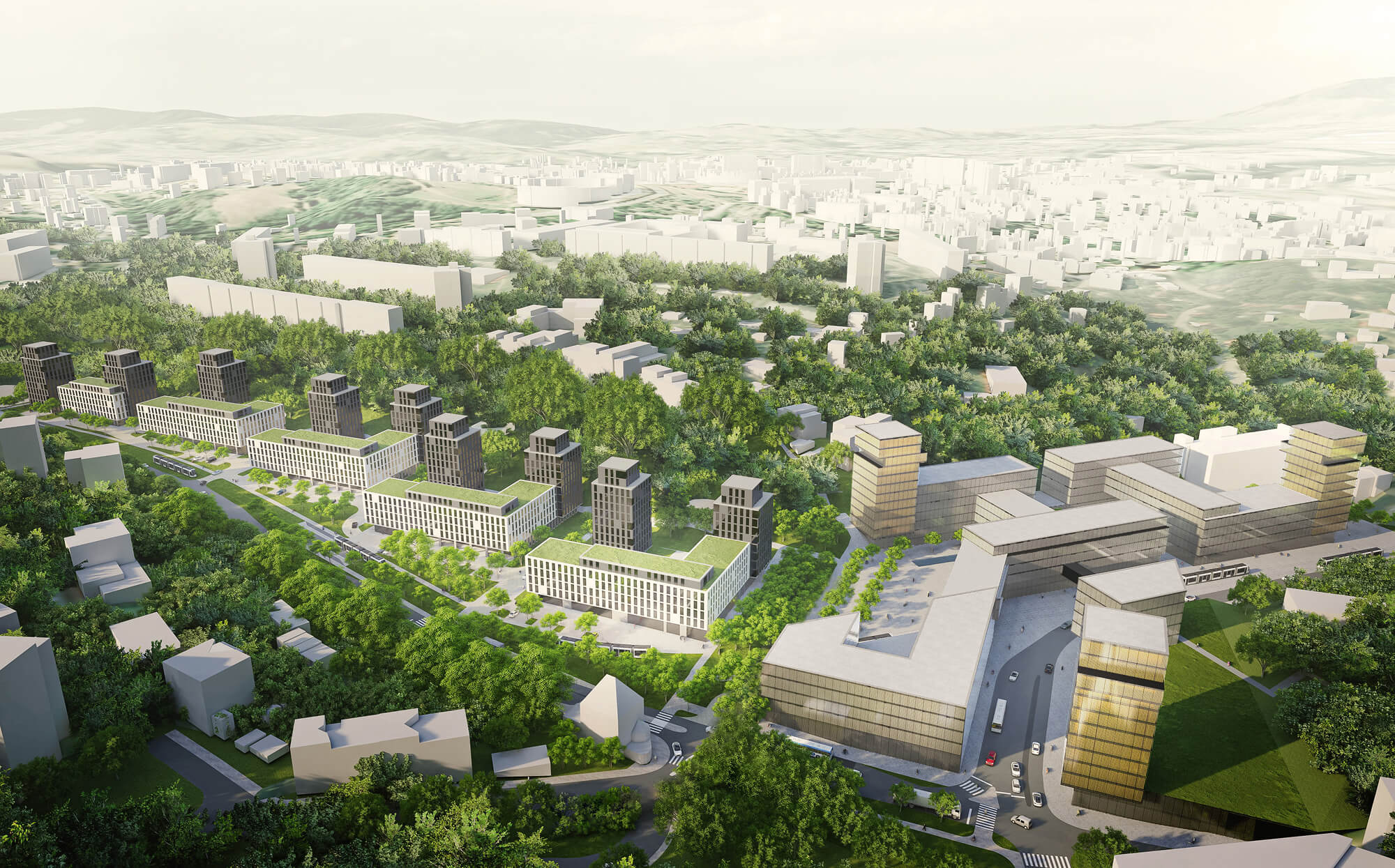
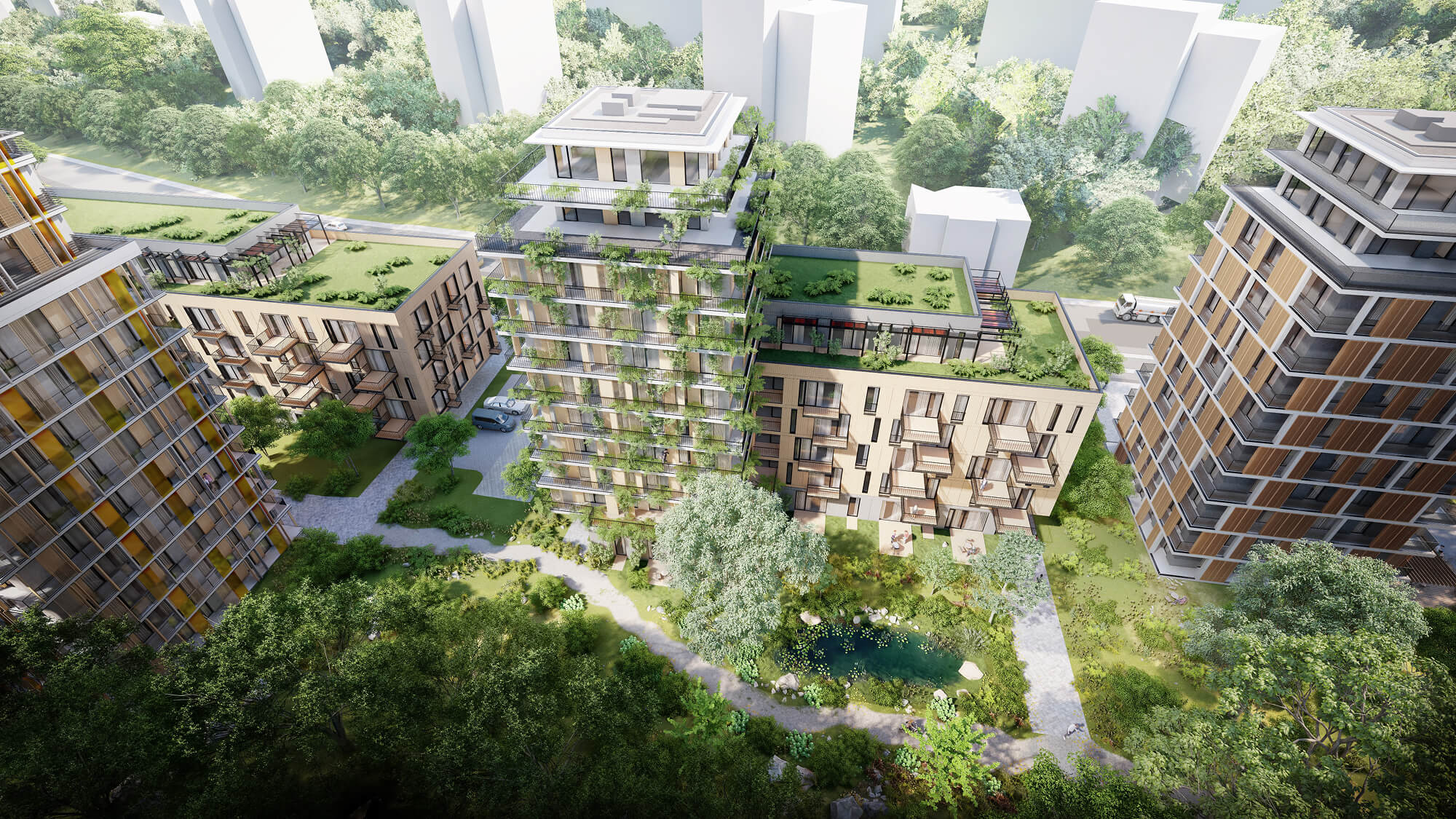
The urban design follows the original factory grid, aligning with historical structures while reinterpreting them for contemporary use. The street network is logical and legible. Public spaces are clearly defined and interconnected. The new district is compact and walkable, allowing people to live, work, and spend their free time in one cohesive environment.
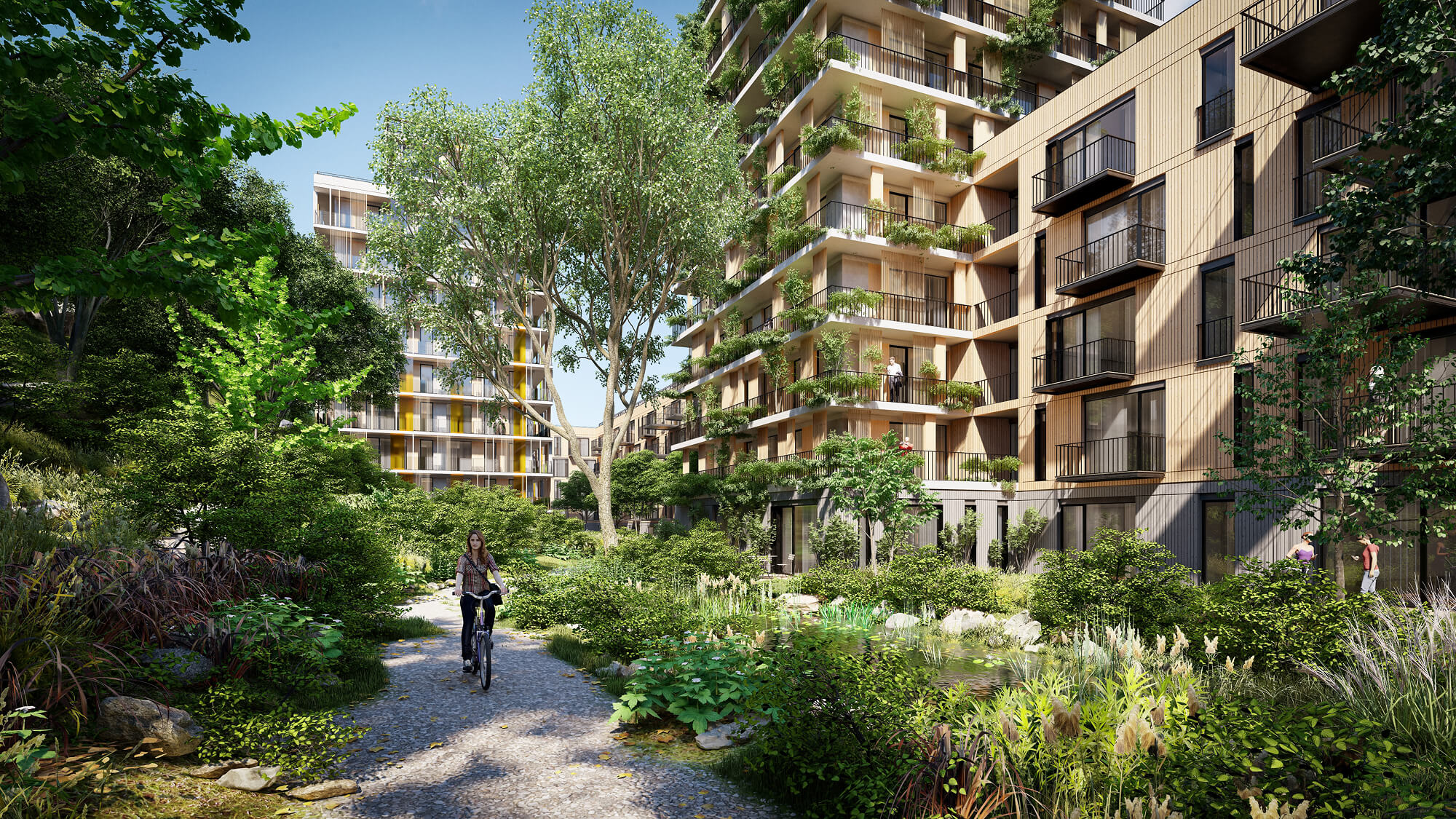
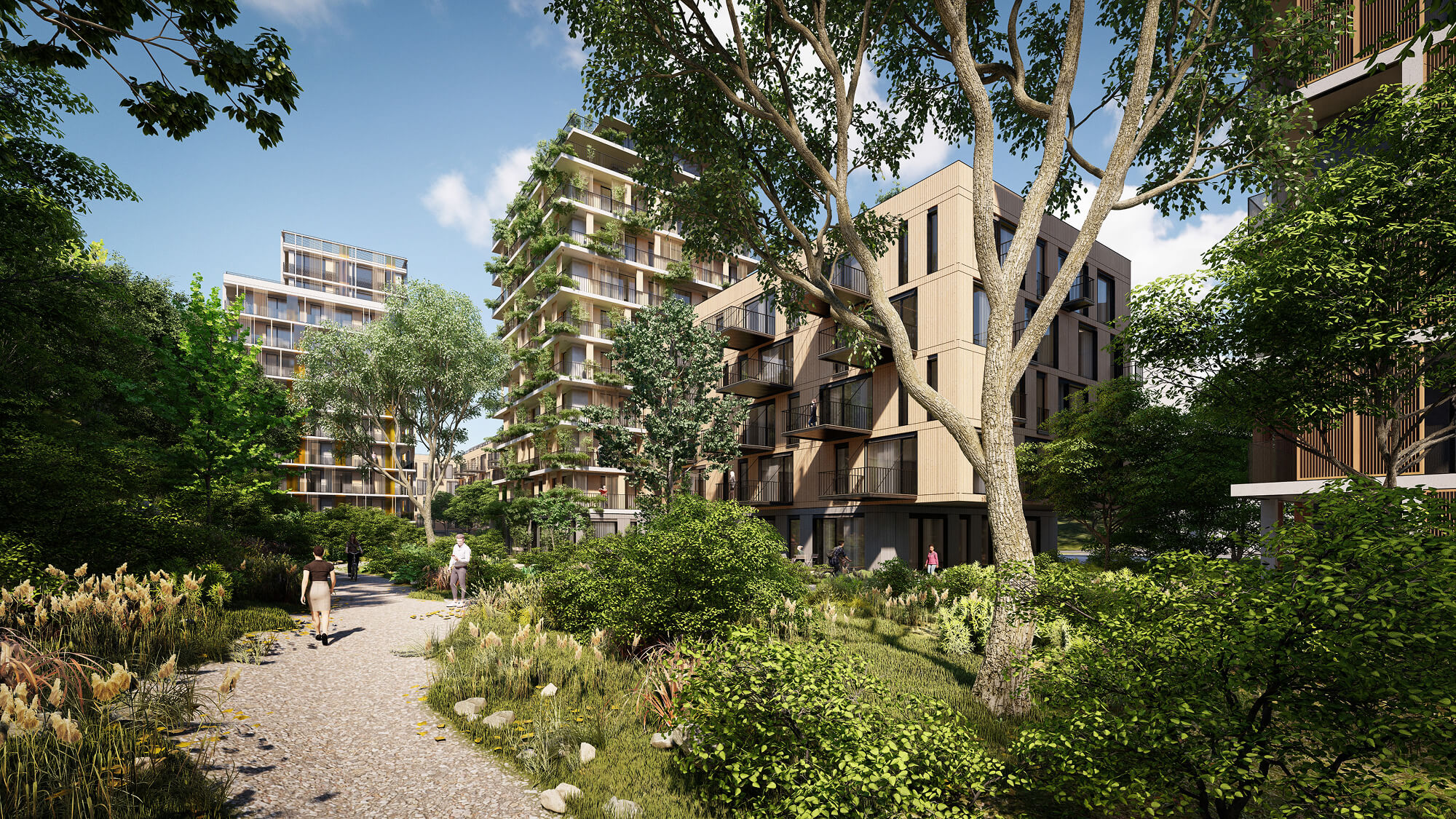
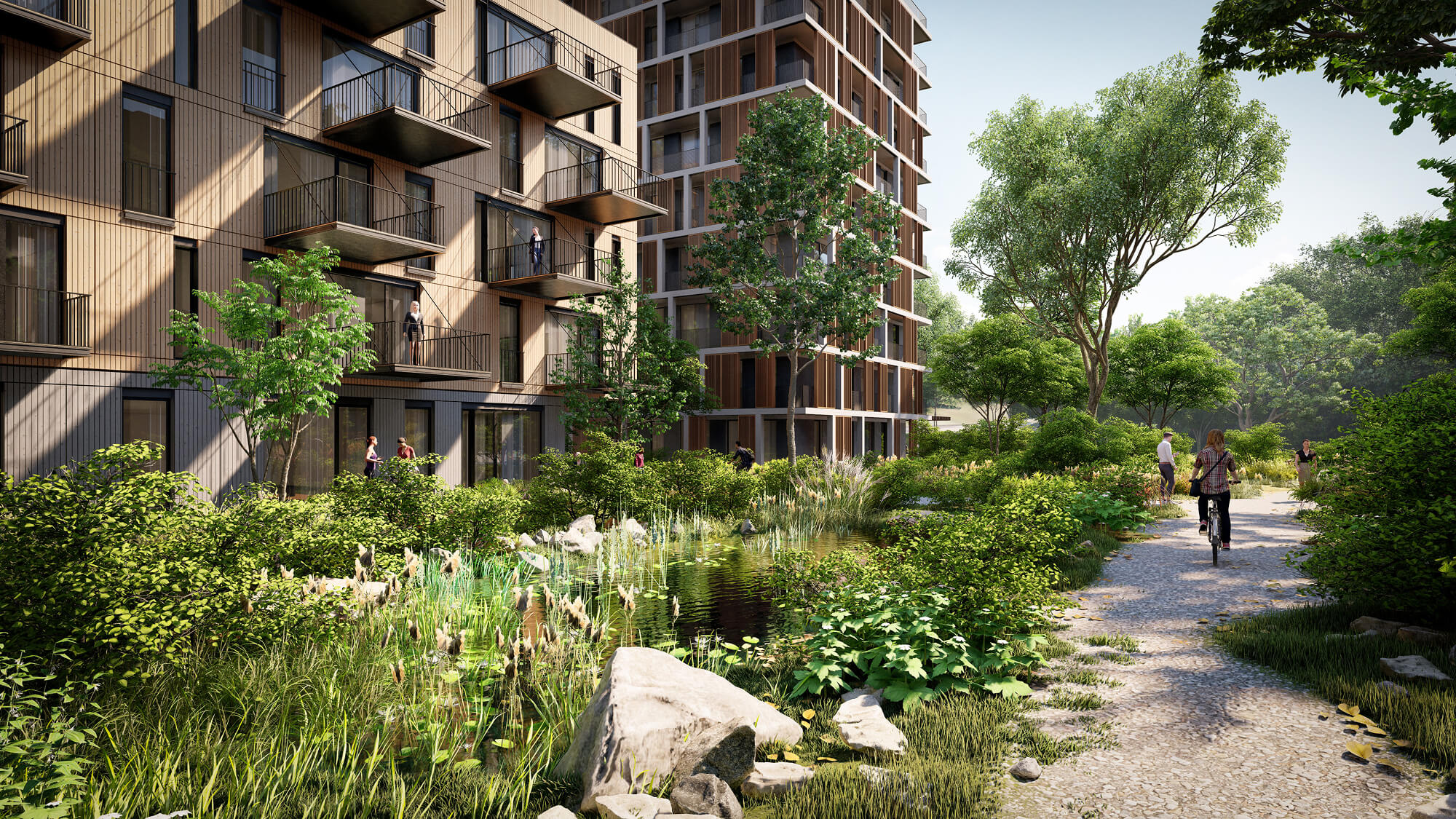
The central park is designed as a linear space that links the entire area. It becomes a green spine that offers both ecological and social functions. Water management, biodiversity, and recreational opportunities are integrated into its structure. The park connects to the river, existing paths, and residential streets, creating a network of accessible and inviting outdoor spaces.
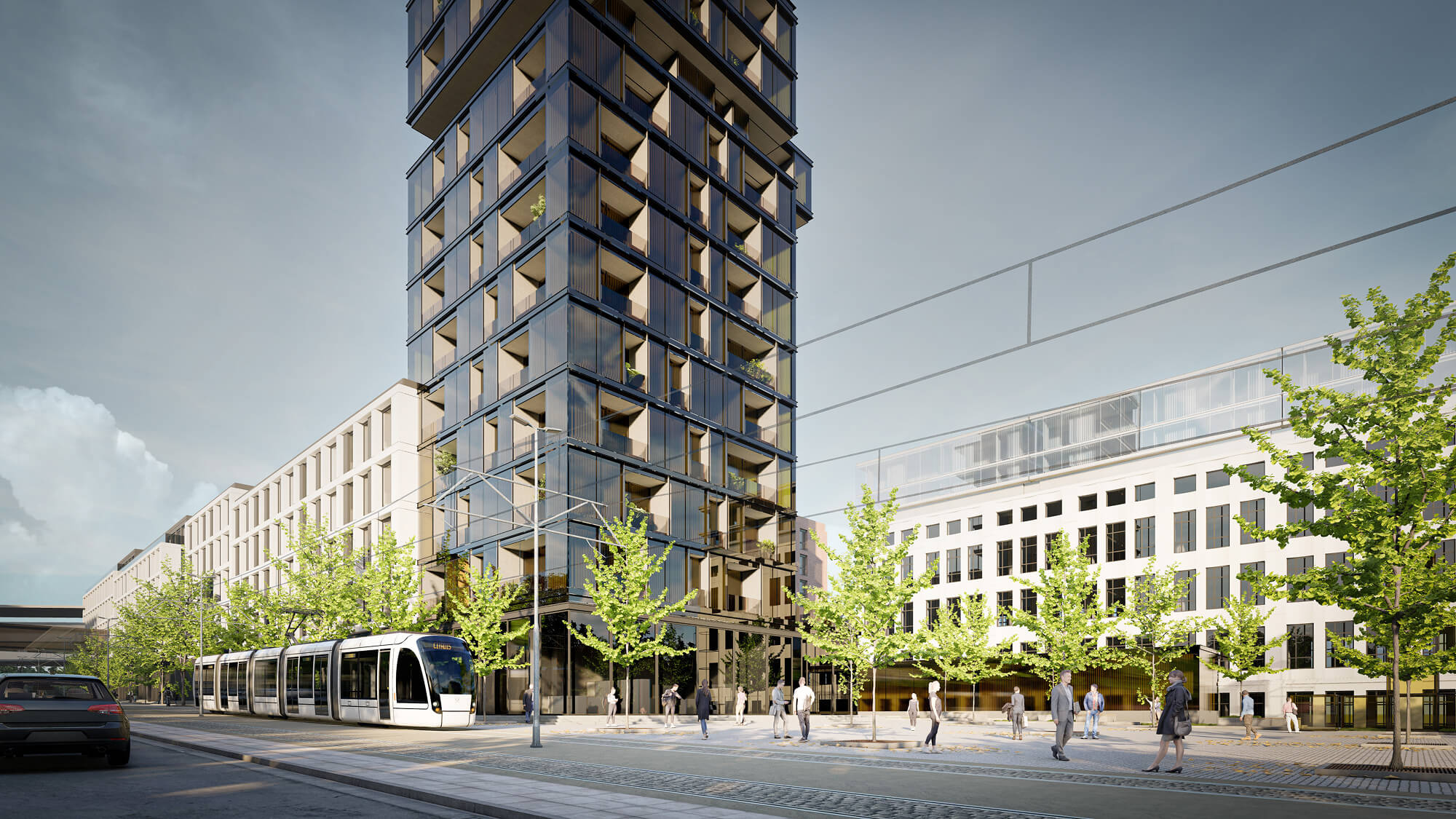
The buildings are placed along the edges of the blocks, defining the public space and forming a clear urban frontage. Their height respects the surrounding scale and ensures daylight access to streets and courtyards. Ground floors are activated by commercial units, cafés, and services. Upper floors contain apartments of various sizes, with loggias and balconies opening toward the park or city.
The new quarter includes a school, kindergarten, healthcare facilities, shops, and spaces for cultural and community activities. Sustainable mobility is supported by public transportation, cycling paths, and pedestrian connections. Car access is regulated and integrated into the urban fabric without dominating it.
The architecture of the buildings is simple and durable. Brick, concrete, wood, and metal are used in their natural forms. Façades are structured and rhythmic, echoing the industrial heritage of the site. Roofs are green and accessible, offering community gardens and shared terraces.
The transformation of the Textilana site into a new urban quarter brings new energy to Liberec. It builds on the memory of the place while opening a new chapter — one that prioritizes quality of life, sustainability, and urban vitality.

